Top-down and isometric games have been around for years. Many people remember them for their unique visuals and for the creative ways developers worked within technical constraints. In this article, we’ll look at what made these games stand out, why the style faded, and how some modern games still use or reinvent it.
The Era of Pre-Rendering
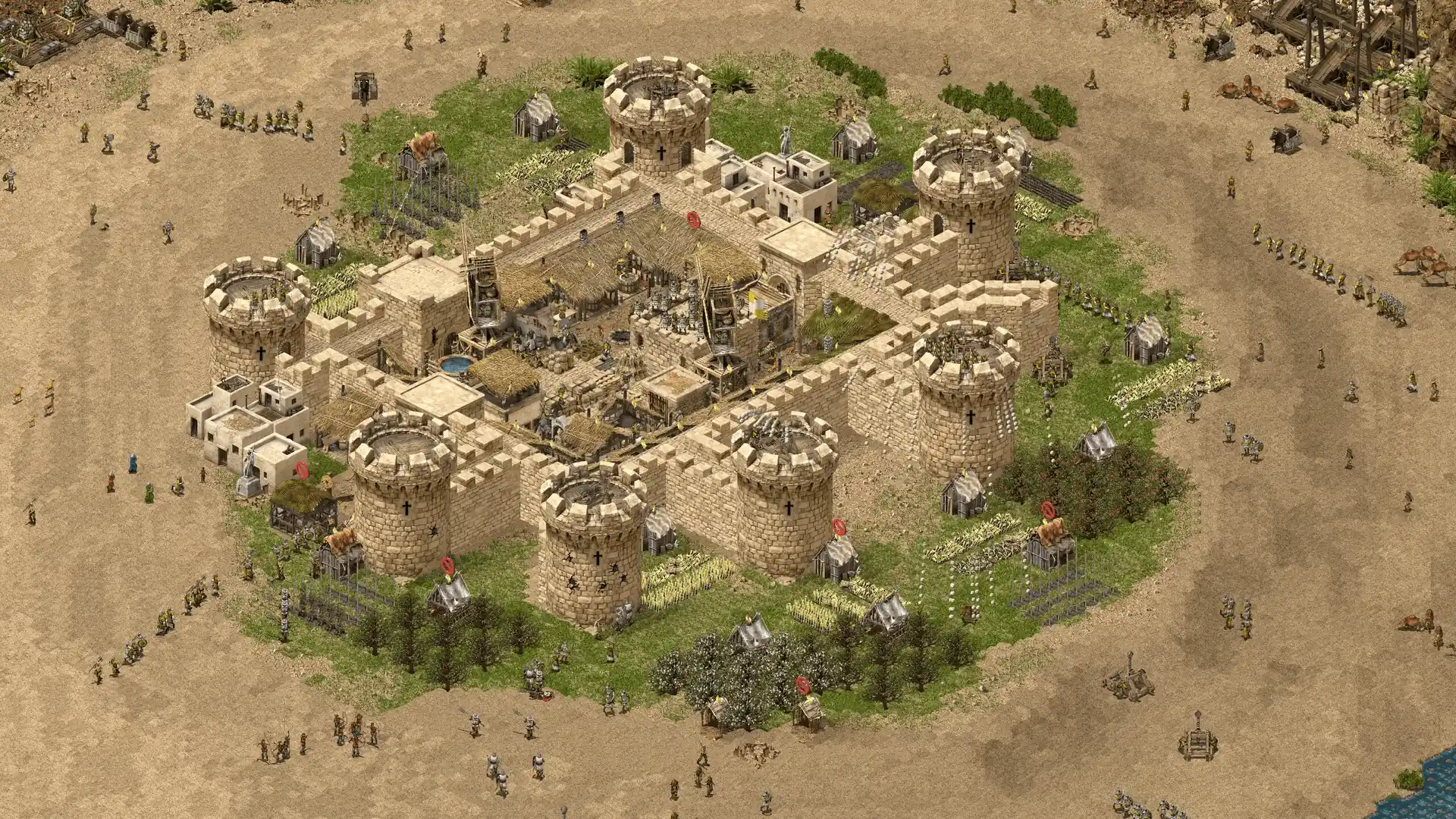
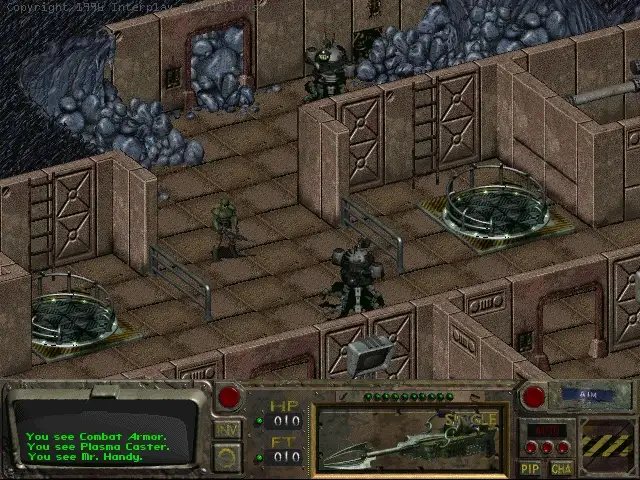
Before real-time lighting and fully dynamic 3D engines, developers used creative methods to make games look detailed and immersive. Games such as Stronghold Crusader, Fallout 1 & 2, and Baldur’s Gate featured pre-rendered backgrounds and fixed isometric or top-down views to build rich worlds.
Developers put a lot of care into these visuals. They built environments in advance with high-quality assets and used them as static backgrounds in the game. This gave the visuals a unique, painterly style. Each screen looked like a carefully crafted diorama.
This method worked well because it gave games a visual style that didn’t rely on realism. It made even complex environments clear and supported strong artistic choices and careful design. These features made the game worlds feel intentional and unique, setting them apart from the more basic look of early 3D games.
Why It Became Less Common
This style was charming, but it became less common as technology and market demands changed. Better 3D rendering enables real-time engines to handle lighting, shadows, and animation with greater flexibility. Dynamic cameras have become standard in modern games, making fixed views feel limited in some genres. Players also started to see fully 3D visuals as more immersive. Still, the qualities that made pre-rendered and fixed-perspective games special are not forgotten.
Modern Games Embracing the Style
Modern games still use or revisit top-down and isometric views, sometimes as a tribute and sometimes to try new ideas. Hades mixes modern lighting with a top-down view for smooth, clear action. Disco Elysium uses a hand-painted isometric style to create a surreal world. Octopath Traveler blends pixel art with 3D lighting in its “HD-2D” look. Hotline Miami uses the top-down view for fast, strategic play with a bold art style. Darkwood’s top-down design makes its horror feel closer and tense. Pillars of Eternity and Baldur’s Gate 3 update the classic CRPG look with modern effects.
The Value of Top-Down and Isometric Design
These perspectives offer benefits beyond nostalgia. They offer strategic clarity, allowing players to see more of the environment at once and make better tactical decisions. The stylized art direction possible with fixed perspectives lets developers craft strong visual identities without chasing photorealism. Additionally, pre-rendered and stylized visuals often age more gracefully than early 3D attempts, giving these games a timeless quality.
Conclusion: A Style Worth Preserving
Modern technology gives game designers many choices, but top-down and isometric styles still matter. They are more than just a nod to the past. These styles have real artistic and gameplay strengths. Their unique visuals and the way they present complex environments make them useful for developers and enjoyable for players.
Whether updated with new technology or kept alive by indie studios, this style of game design shows that a different perspective can help a game stand out.